
There’s growing anxiety across the film industry that Netflix’s increasing influence poses a serious threat to cinemas worldwide. Much of this concern has focused on theatrical windows, particularly fears that Netflix could push the industry away from the traditional 45-day exclusive cinema windowtoward something closer to17 days.
But I don’t believe Netflix is the real danger to cinema.
If anything, cinema risks damaging itself if it doesn’t innovate fast enough.
The debate around release windows has become a convenient distraction from the deeper, structural problems the cinema industry has been struggling with for years.

The Real Problems Facing Cinema
The challenges facing cinemas today run far deeper than Netflix’s business model. Among the most pressing issues are:
- Heavy reliance on blockbuster tentpoles
- A shrinking slate of mid-budget and independent theatrical releases
- Rising ticket and concession prices
- Limited reasons for audiences to return outside opening weekends
- Weak local community engagement
- A lack of experimentation with new formats, events, and participation
Extending or protecting a 45-day window won’t fix any of these on its own.
Cinema doesn’t just need protection — it needs evolution.
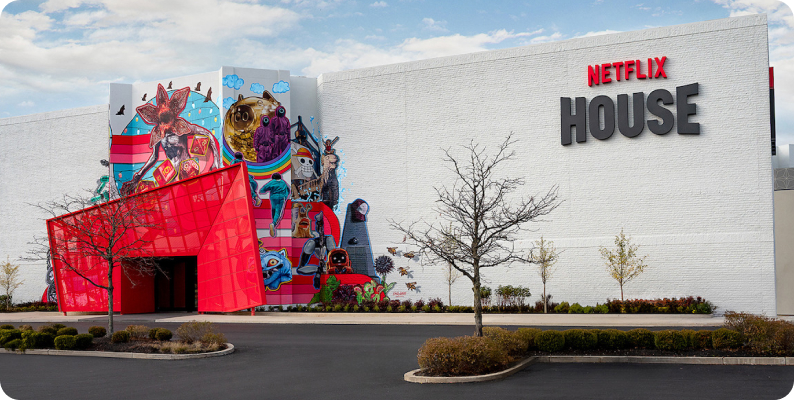
Netflix Is Becoming More Interested in Cinema, Not Less
Contrary to the idea that Netflix is hostile to theatrical exhibition, its actions suggest the opposite: it increasingly sees cinema as complementary to streaming, not in competition with it.
Netflix has made notable investments in physical cinema spaces:
- The Paris Theater (New York City) A historic single-screen cinema that Netflix has operated since 2019, used for limited releases, repertory programming, and awards-qualifying runs.
- Grauman’s Egyptian Theatre (Hollywood) Acquired by Netflix in 2020 and fully restored, the Egyptian Theatre officially reopened in November 2023. Netflix programs the venue Monday to Thursday for premieres and special events, while the American Cinematheque continues to program it on weekends — blending prestige premieres with classic and curated cinema.
These aren’t symbolic gestures. They’re long-term investments in cinema as a cultural and experiential space, not just a distribution channel.
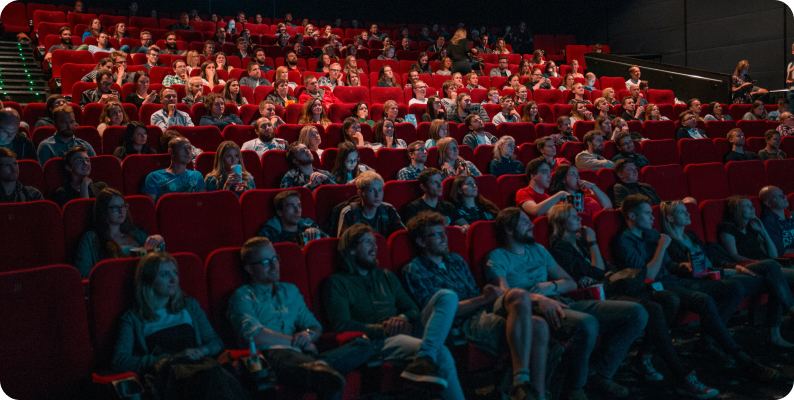
Cinema as Event, Not Just a Screening
Netflix has also shown a growing understanding of cinema’s true strength: shared, fan-driven experiences.
- Netflix partnered with major chains like AMC for select theatrical releases, breaking down years of exhibitor resistance to streaming-first films.
- Limited theatrical releases such as Glass Onion demonstrated that Netflix titles can perform strongly when positioned as events.
- Netflix has used cinemas to host fan-first screenings, Q&As, and finale events — including large-scale theatrical showings tied to Stranger Things — creating moments that simply don’t land the same way on a sofa at home.
These experiments underline a crucial point:
Cinema works best when it’s treated as an event, not just a place to watch content early.
Netflix will always be streaming-first — but it clearly sees the value of cinema in building prestige, fandom, and cultural moments that streaming alone can’t replicate.
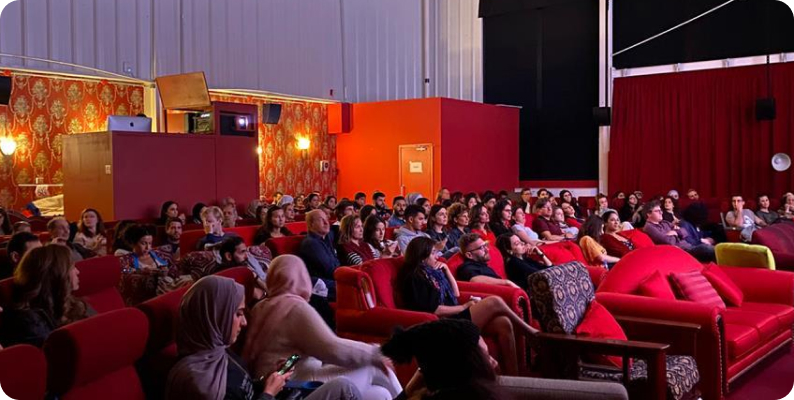
The Window Isn’t What Will Save Cinema
Whether the theatrical window is 45 days or 17 days is unlikely to be the thing that keeps cinemas alive.
What will matter is:
- How well cinemas embrace events and participation
- How effectively they build local communities
- How diverse and flexible their programming becomes
- How willing they are to work with creators, fans, and even streamers
Cinema can no longer rely purely on blockbuster economics. Audiences need reasons to show up that go beyond “it’s new.”

Where Screenwave Fits In
This is exactly where Screenwave comes in.
Screenwave helps film fans come together to create community-driven screenings and events — turning films into shared experiences rather than passive viewings. It empowers audiences to decide what gets shown, when, and where, and helps cinemas tap into demand that already exists but is currently fragmented.
Cinema doesn’t need saving from Netflix.
It needs better tools to connect with audiences who want to come together — but need a reason to do so.
The Bottom Line
Netflix isn’t trying to kill cinema.
It’s testing how cinema fits into a modern entertainment ecosystem — one built on fandom, community, and experience.
The real question isn’t whether Netflix respects cinema enough.
It’s whether cinema is ready to reinvent itself.